BLUE SIDE presents a selection of wineries for sale in Languedoc-Roussillon—from Corbières to Pic Saint-Loup and the Costières de Nîmes—and assists buyers and sellers from the search phase through the sale and takeover of the business.

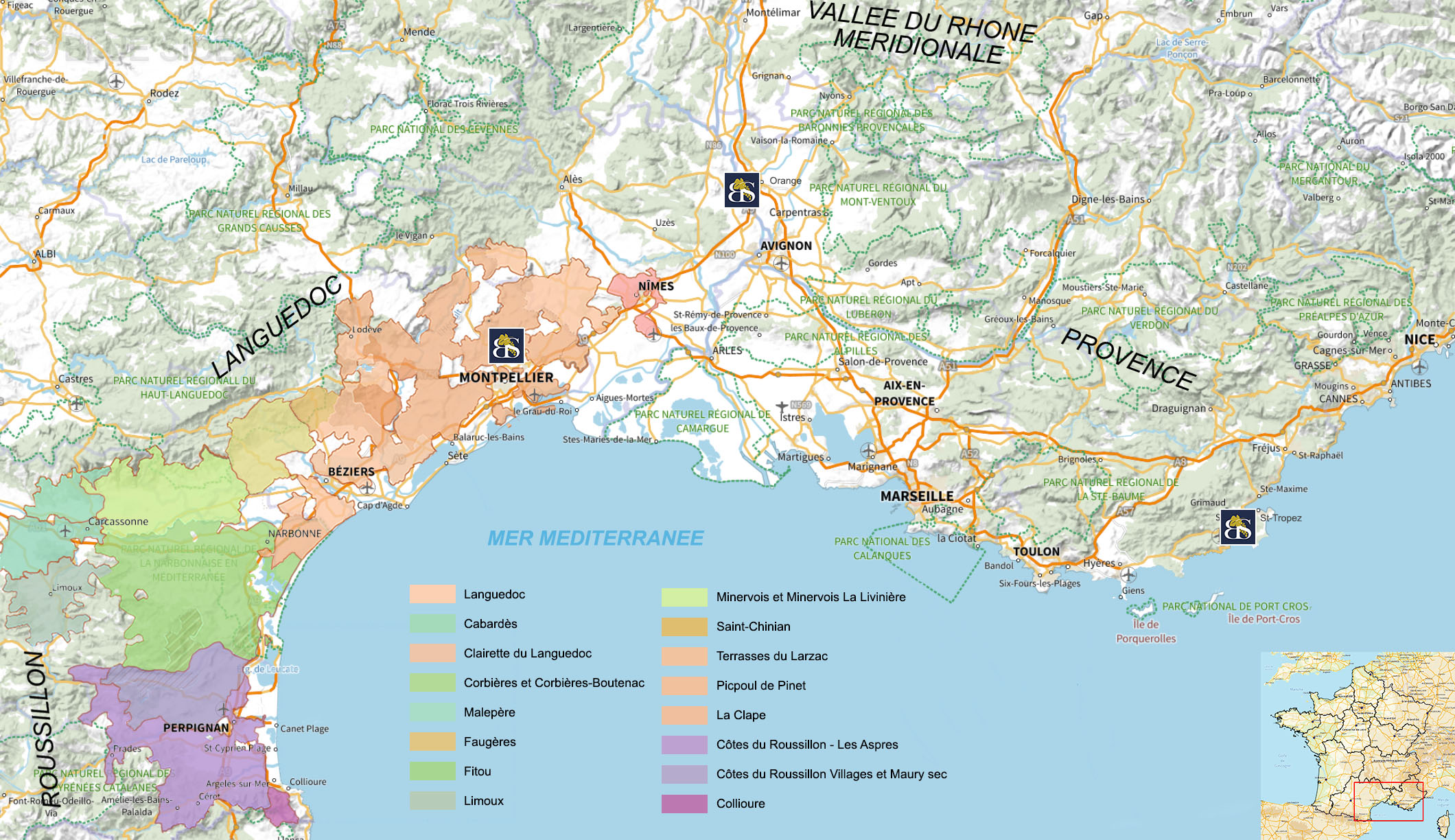

The Languedoc-Roussillon wine region covers nearly 228,000 hectares, including 89,000 hectares of AOC vineyards spread across the departments of Aude (11), Hérault (34), Pyrénées-Orientales (66), and Gard (30). It encompasses nearly 40 different AOCs and 25 different PGIs.
The Languedoc appellation and its sub-appellations cover nearly 46,000 hectares of vineyards, stretching from the Mediterranean coast to the foothills of the Pyrenees and the Massif Central. The industry comprises approximately 2,000 independent wineries, 150 cooperative wineries, and 500 wine merchants.
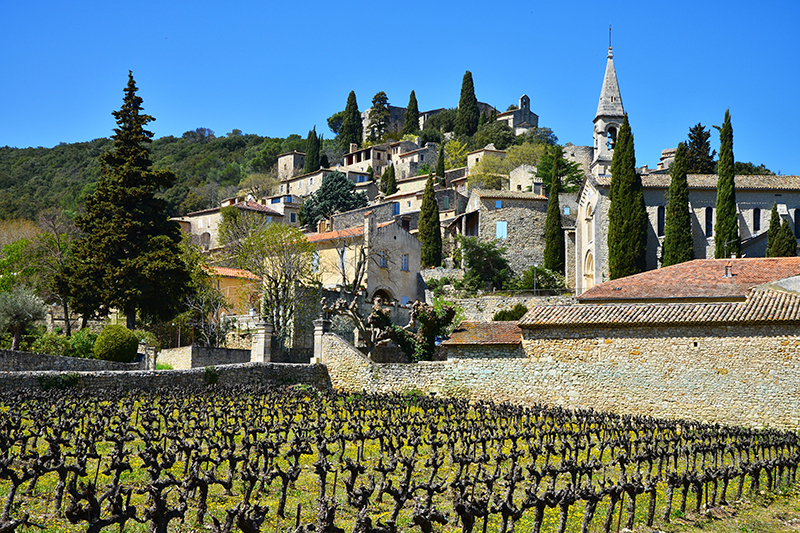
Languedoc-Roussillon is France’s leading wine-growing region in terms of vineyard area and wine production. The Languedoc-Roussillon wine-growing region spans part of the Occitanie region in the Hérault (34), the Gard (30), the Aude (11), and the Pyrénées-Orientales (66), covering approximately 228,000 hectares of vineyards, including 89,000 hectares of AOC vineyards, as well as numerous IGPs and local wines.
The vineyards of the Coteaux du Languedoc in the center of the region, the Costières-de-Nîmes to the east, and the Corbières and Côtes du Roussillon to the west, cover most of Occitanie’s vineyards, all of which are located near a major city such as Montpellier, Narbonne, Béziers, or Nîmes.
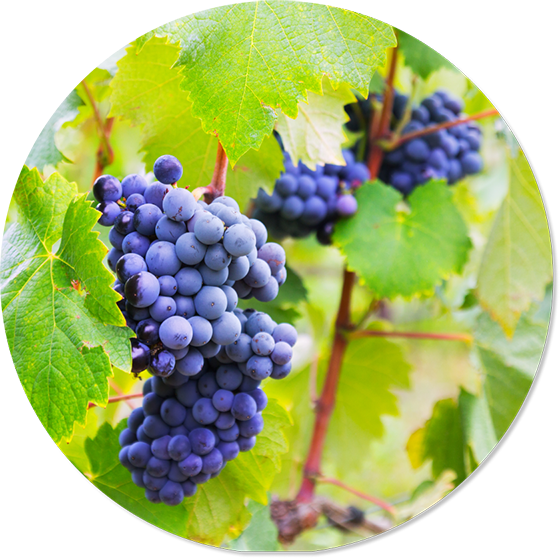
The main grape varieties used to produce Languedoc wines are Syrah, Grenache, Mourvèdre, Carignan, Cinsault, Merlot, Cabernet Sauvignon, Lledoner Pelut, Muscat à petits grains, Bourboulenc, Chardonnay, Chenin, Clairette, Maccabeu, Marsanne, Roussanne, Mauzac, Vermentino, Picpoul, and Viognier.
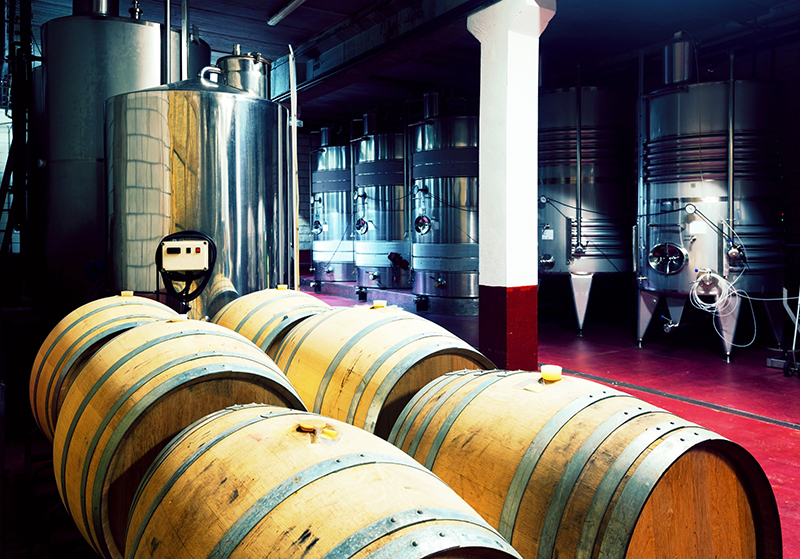
The Languedoc has the particularity of having produced sparkling wines long before Champagne. It was in 1531 that the first brut wine in the world was produced in the cellars of the Benedictine Abbey of Saint-Hilaire near Limoux, which is now well known: the Blanquette de Limoux. Other specificities of the appellations of the region: the famous natural sweet wines such as Muscat de Rivesaltes, Muscat de Frontignan, Muscat de Lunel, Muscat de Mireval, Muscat de Saint-Jean de Minervois, or Banyuls in the extreme southwest, which contrary to some preconceived ideas is not a cooked wine but a natural sweet wine of the AOP Banyuls.
Endowed with a favorable terroir and climate, the Languedoc region is also conducive to the development of certified viticulture for the production of organic wine. Investing in a Languedoc wine estate, and in the Mediterranean vineyards in general, is also the possibility of being part of a responsible viticulture, whether it is HVE certified, organic or biodynamic.
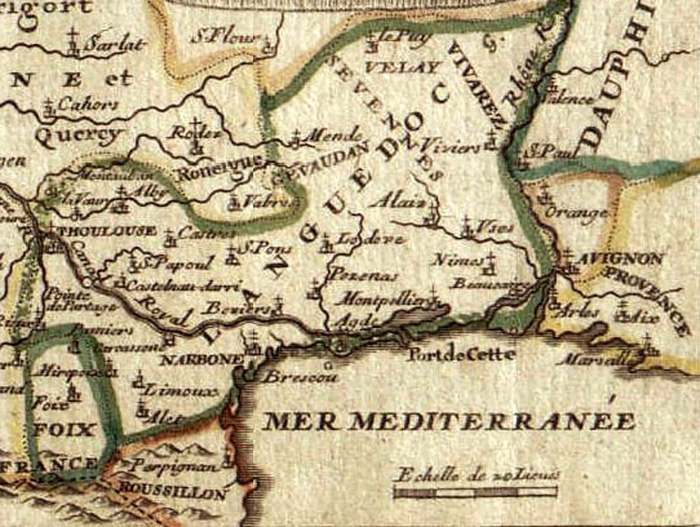
Like Provence and the Rhone Valley, the vine was introduced in Languedoc-Roussillon by the Greeks in the 5th century B.C. and then developed by the Romans and the clergy with a network of abbeys and monasteries based on the model of the Abbey of Aniane.
The wine route set up by these first winegrowers in France was first organized around exports to Greece, the Turkish coasts, and Egypt. Then the Narbonne region became one of the major suppliers of wine to Rome, as the region was involved in viticulture, wine-making and the manufacture of amphorae.
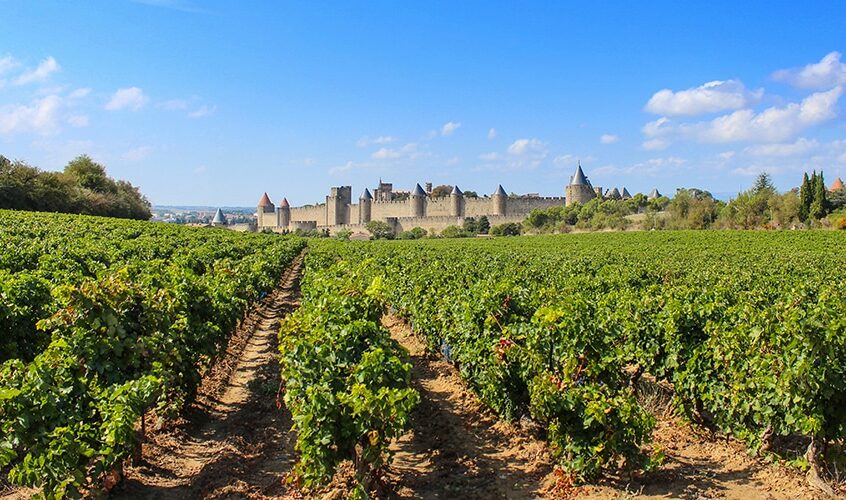
The 12th and 13th centuries—primarily in the Corbières, the heartland of Cathar territory—left behind an impressive cultural heritage of castles, abbeys, and medieval towns throughout the western region of Occitanie, between Toulouse and Béziers.
Many vineyards, estates and wineries in this area of Languedoc-Roussillon are still built around these masterly buildings.
Beginning in the late 17th century, the Languedoc wine region once again experienced significant growth, laying the foundation for a cultivation system that was initially extensive and later became highly intensive until the late 1970s.
Starting in the early 1980s, quality took precedence over quantity. This involved a general restructuring of the vineyards, a massive uprooting of vines, the replanting of typically Mediterranean grape varieties, the control of yields, and the adoption of state-of-the-art viticultural and winemaking techniques.
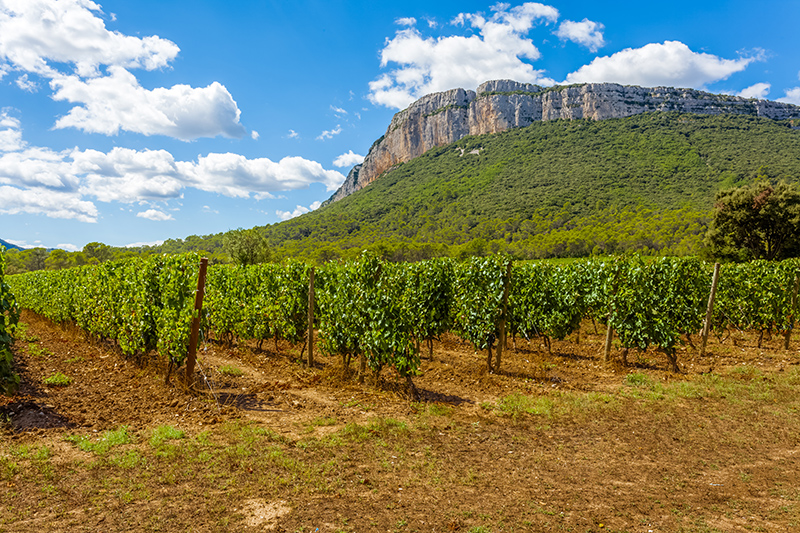
The Languedoc and Roussillon regions have the largest offer due to the size of their wine-growing territory and the diversity of their vineyards, making them of particular interest to the wine investor.
It is a market where the supply remains important, maintaining the prices of the most attractive properties and wine estates of the Mediterranean border. This allows the purchaser to reach higher thresholds for his property at comparable prices than in other Mediterranean wine regions.
In addition, the quality strategy initiated in the early 1980s by the winegrowers has led to the classification of terroirs as Appellations d'Origine Contrôlée (AOCs), which offers greater visibility to consumers.
The AOC Languedoc, the AOC Picpoul de Pinet, the AOC Terrasses du Larzac, the AOC La Clape, the AOC Pic Saint-Loup in particular, are all guarantees of the quality and typicality of the wines produced on the wine estates of these appellations of the Languedoc and offer good openings to national and international distribution.
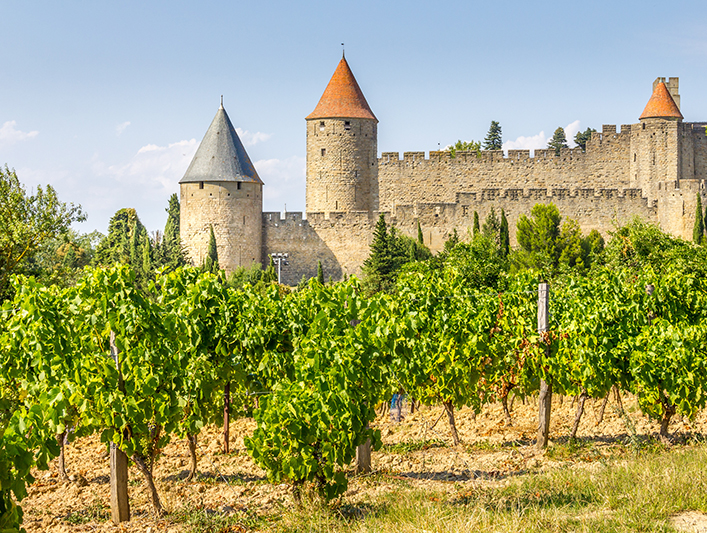
Also, the purchase of a vineyard or a vineyard property in the Languedoc region, participates in an objective linked to space (large vineyards), to the quality of the terroir and of the environment and fully inscribed in this qualitative dynamic aiming at both the technique and the marketing of wine.
From a tourist point of view, the Occitanie region offers, in the vicinity of its large and well distributed cities, such as Montpellier, Béziers, Narbonne, Perpignan, or Carcassonne, road, motorway, rail and airport accesses allowing to easily link the large metropolises to each terroir or wine estate. Montpellier, the third largest French city on the Mediterranean axis, and its proximity to the Pic Saint-Loup PDO are among the most coveted sectors in the heart of the Hérault region, where the investor will easily find a château or mansion in the heart of his vineyard where he can develop activities related to tourism, cellar visits, wine tasting and why not a vintage wine!
This wine region of Languedoc, in full qualitative expansion, has the essential fundamentals for the development of modern viticulture. BLUE SIDE accompanies buyers, beyond the purchase of properties or wineries, on the complementary investment strategies to be implemented to remain in phase with this economic dynamic in the vineyard as well as in the cellar.
In parallel to his wine production, the investor will be able to develop on his property or his domain activities related to wine tourism, events, receptive to the attention of individuals who love wines and exceptional environments (development of the castle, hotel business, parahotel business, guest rooms in the farmhouse, catering, visit of the cellars, discovery of the wine road, ...) or companies looking for places to hold seminars where complementary cultural activities can be organized such as visits to the cellars, tastings, oenological initiation, discovery of an exceptional white wine still unknown...
In the process of acquiring a property or a vineyard, it is essential to master the technical and economic specificities of the PDO and PGI attached to each terroir, to know how to orientate oneself towards the production of red, rosé or white wine, still wine, sparkling wine or natural sweet wine, according to the targeted distribution network, to make the annexed constructions profitable, particularly consequent in the Languedoc region around the bastide, the farmhouse or the castle, to think about priority investments in the vineyard, the cellar or the cellars, the production tools or the building, to choose one's domain according to these investments to be planned. So many questions that must be judiciously addressed before acquiring the vineyard.