
BLUE SIDE presents a selection of wineries and vineyard estates for sale in Provence, from the Gulf of Saint-Tropez to the Centre Var and the Aix region, and assists buyers and sellers from the search phase through to the sale and takeover of the business.

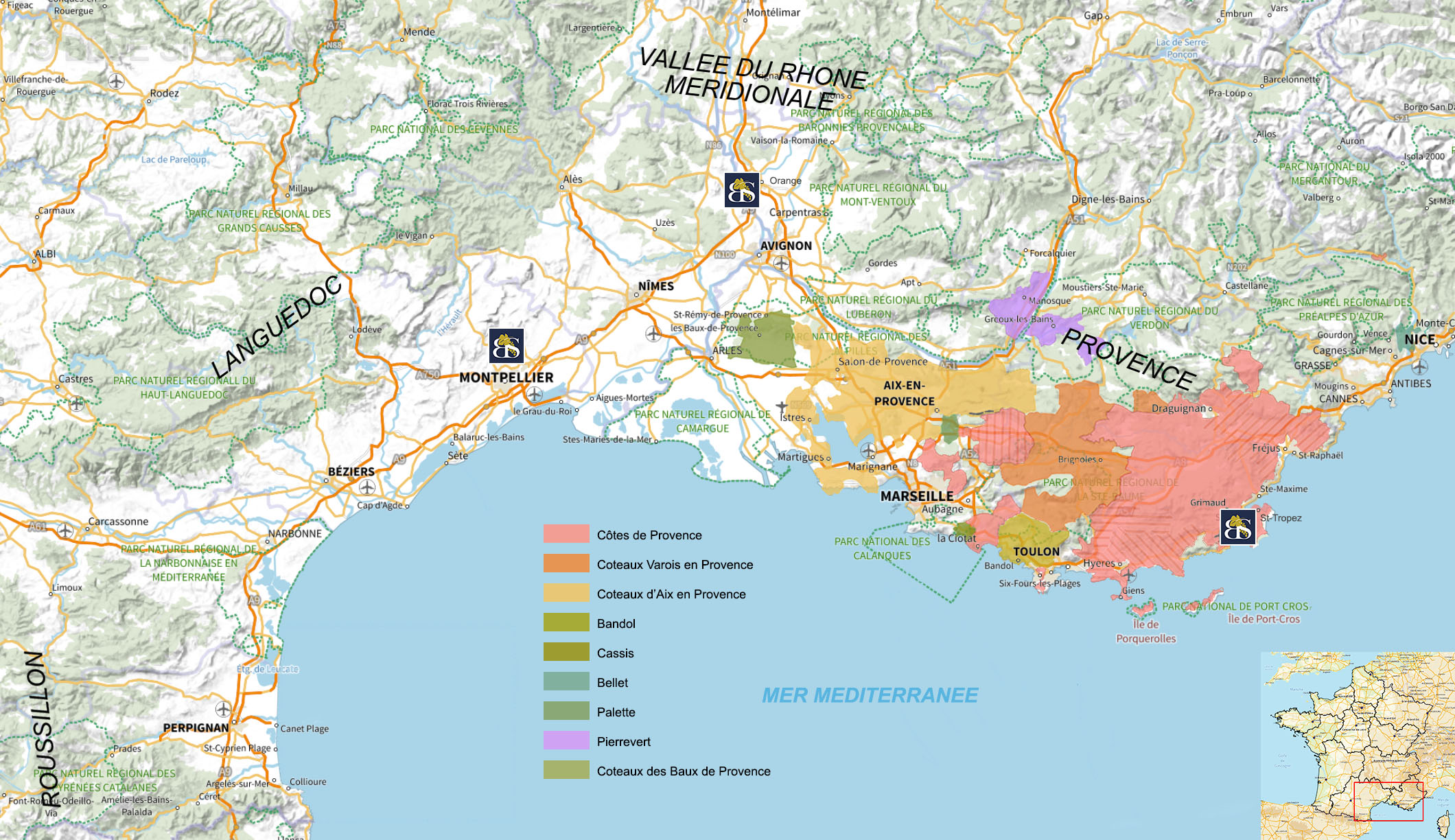
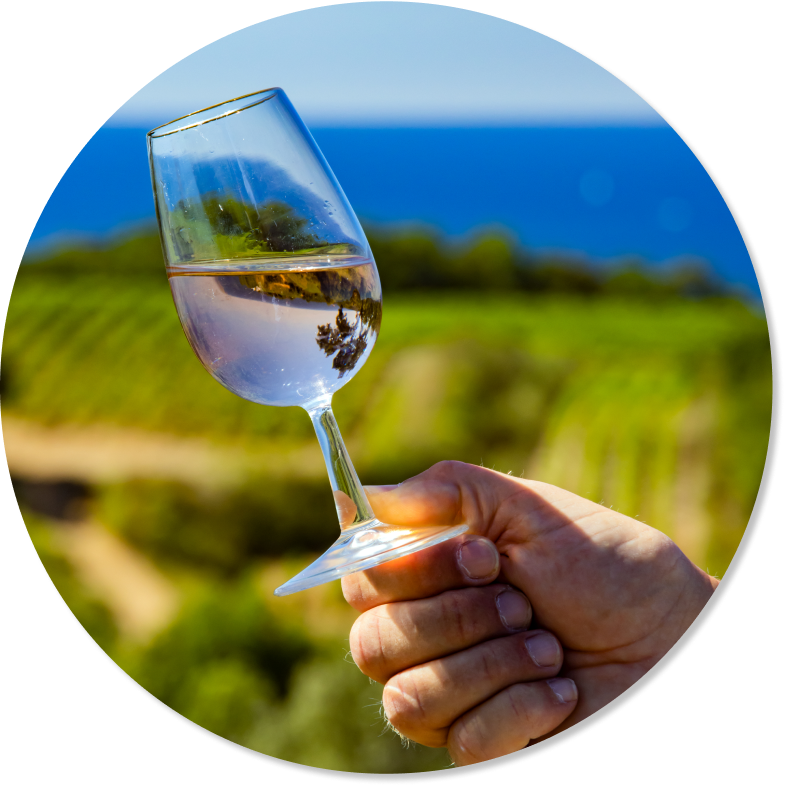
The vineyards of Provence’s three major appellations (Côtes de Provence, Coteaux d’Aix-en-Provence, and Coteaux Varois en Provence) cover approximately 27,400 hectares. The 2025 harvest totaled approximately 1.24 million hectoliters, comprising 89 % of rosé, 6 % of white, and 5 % of red.
Provence accounts for 40 to 45 % of France’s AOC rosé production and approximately 5 % of global rosé production. The industry comprises 444 independent wineries and 51 cooperative wineries. Other appellations round out the landscape: Bandol, Cassis, Palette, Bellet, Pierrevert, and Les Baux-de-Provence.
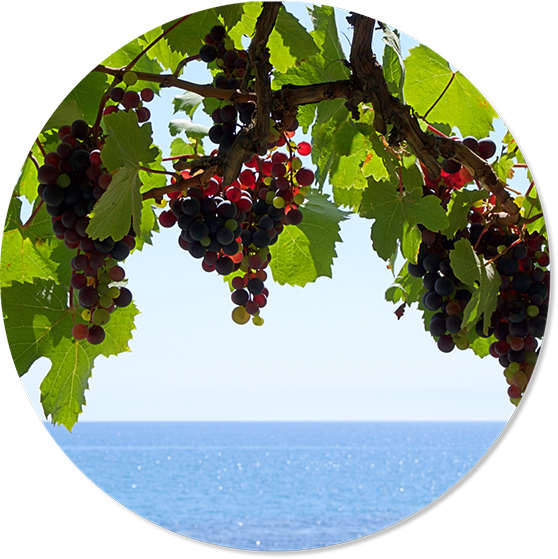
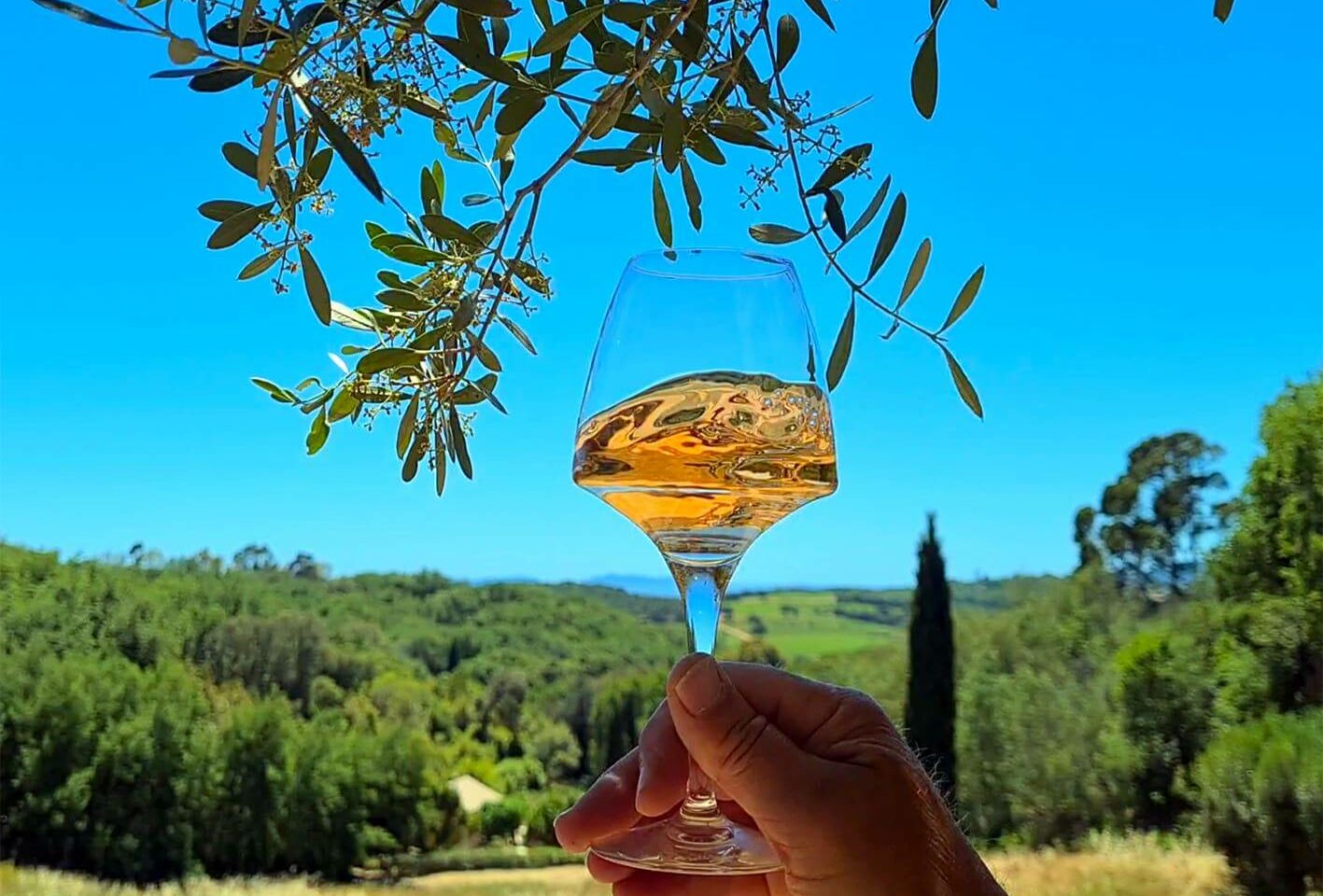
The Provence wine region is dominated by the three largest appellations, located in the Var and Bouches-du-Rhône departments: Côtes de Provence, Coteaux d’Aix-en-Provence, and Coteaux Varois en Provence. Spread across a variety of terroirs—whose quality is recognized for the production of Vins de Provence—private wineries and cooperative wineries are scattered throughout the region. The towns of Grimaud, Flassans-sur-Issole, and Brignoles are home to some of the largest cooperative wineries.

This region, with one of the most beautiful coastlines in Europe and an inland valley rich in diversity, is home to the most beautiful vineyards in Provence. From Marseille to Nice, from Pagnol's Provence to the Côte d'Azur, from its coastline to the heart of the Var, via the Gulf of Saint-Tropez and the terroir denominations of La Londe, Fréjus, Sainte Victoire, Pierrefeu and Notre Dame des Anges, Provence is the tourist destination par excellence. In fact, it is experiencing a growing development of activities related to wine tourism. Many wineries or castles offer, in addition to wine production, bed and breakfast, gites, themed stays (seminars, tasting sessions, wine courses, etc.), wine tourism activities (cellar visits, wine trail, etc.), and events (weddings, receptions, etc.). This allows the investor to diversify his resources, to make a bastide, a mansion or a castle profitable around a prestigious wine-producing environment, while developing his reputation. As the world leader in the production of AOC rosé wine, Provence has also set itself the goal of eventually reducing the ecological footprint of its vineyards, with a goal of certifying the vineyards as 100 % organic or HVE 3 by 2030 and the generalization of virtuous practices in the vineyard as well as in the cellar.

The Côtes de Provence appellation represents nearly 75% of the Provencal vineyard, BLUE SIDE presents many wine estates for sale in the Var, which concentrates the largest number of private wine properties. In the Bouches du Rhône, most of the vineyards are located on the outskirts and north of the city of Aix en Provence. The vineyards are also larger than the average in this area, which is steeped in medieval history. The Alpes Maritimes, with its emblematic coastline of the Côte d'Azur, is home to the Bellet appellation, which is the only entirely urban AOC vineyard in France and covers some 60 hectares of vines.
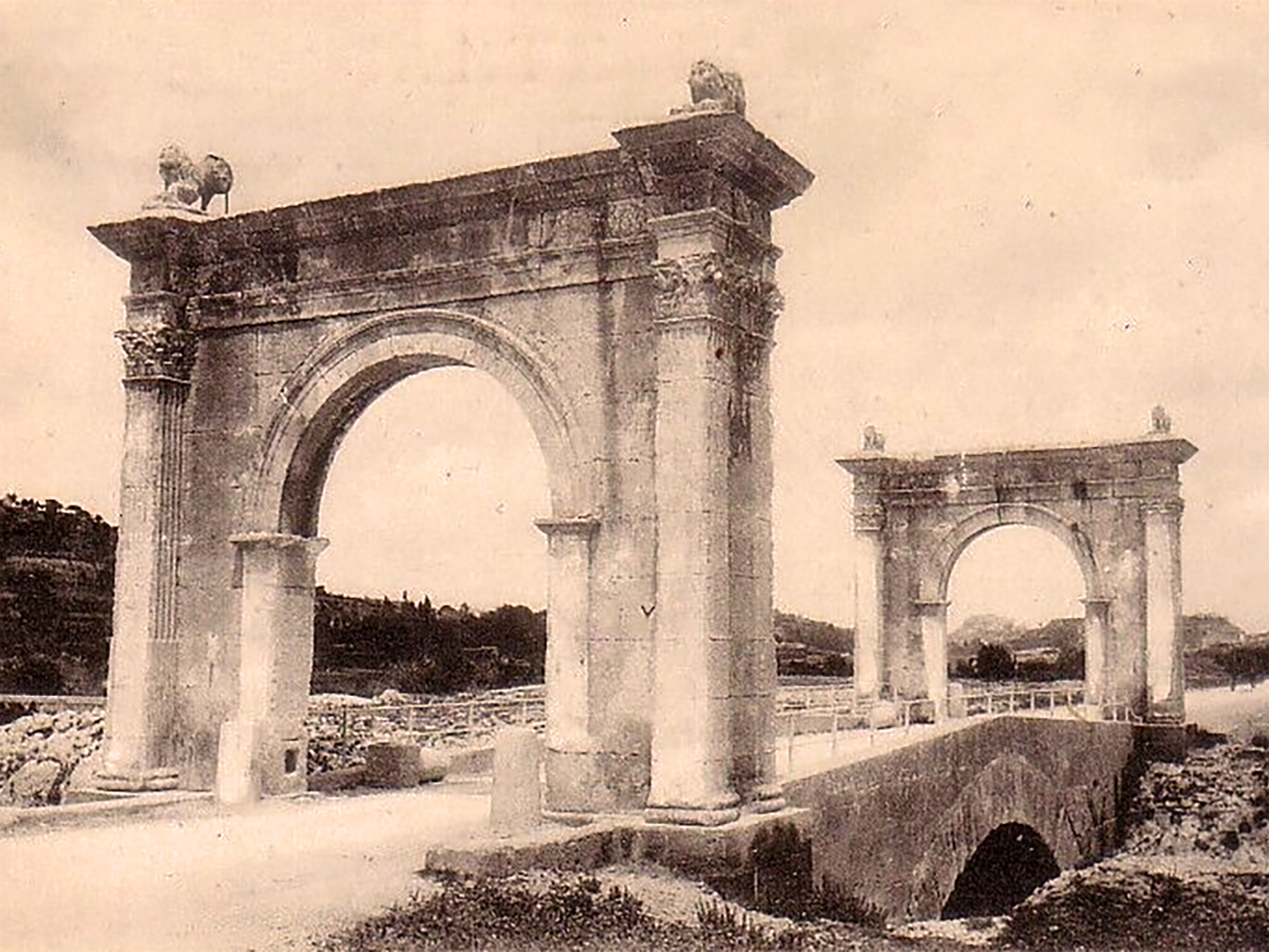
With more than 300 days of sunshine per year and the dominant influence of the Mistral wind, the vine in Provence enjoys an ideal climate that favors its development in optimal sanitary conditions. More than twelve grape varieties are used in blends to produce Provence wines. The aromatic typicity of Provence wines is closely linked to both its terroir and the traditional vinification method used. The vine was first planted in France more than 2600 years ago by the Phocaeans when they founded the city of Marseille. Then 400 years later, the Romans settled in Provence and developed the vineyard considerably. Rome then extended its empire over the rest of Gaul and gave birth to the other great wine producing areas of France today, namely the Rhone Valley, Beaujolais, Burgundy, Gascony and Bordeaux. From the Middle Ages onwards, the clergy within the abbeys of Saint-Victor in Marseille, Saint-Honorat on the Lérins Islands, Saint-Pons in Nice and Thoronet, the nobility and the notables took over the vineyards of Provence, reshaped them and gave them their current structure.
For BLUE SIDE, the sale of vineyards and wine estates in Provence requires above all a relationship of trust to be established with the buyer, both to understand the nature of the vineyard or wine estate he wishes to buy and the wine project he wishes to invest in. The configurations of wine estates being very contrasted, the future winegrower will first have to orient himself on a place, an environment, in connection with an AOC or an IGP, then to refine an acquisition price and a global budget. Indeed, beyond the acquisition price, the budget allocated to the embellishment of the premises, to the equipment of the wine cellar and to the development of the PDO and PGI vineyards is determining in the added value that will be brought to the estate.